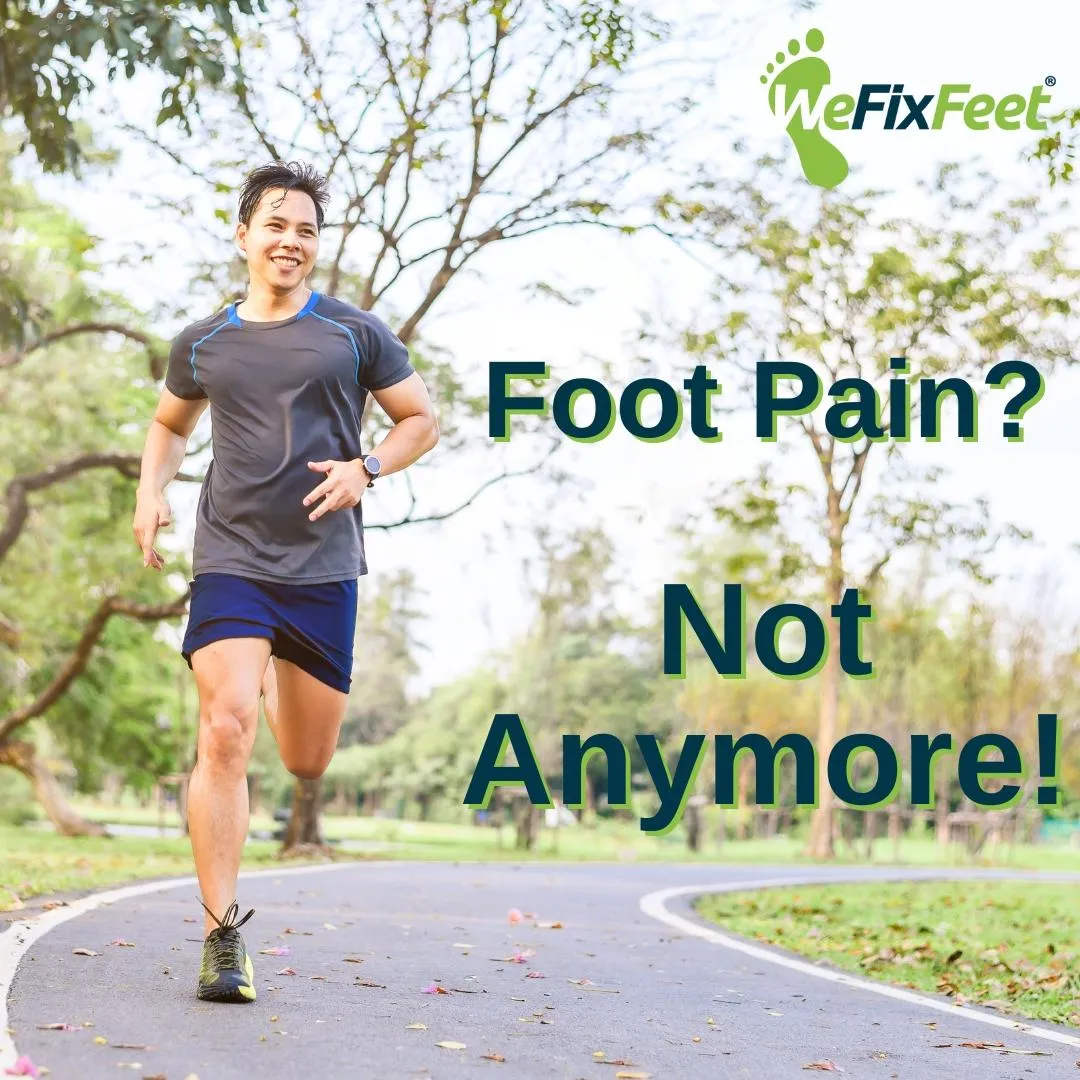
Why Foot Pain Comes Back After Christmas (And How to Stop It)
If you’ve started running again, hit the gym harder, or jumped back into football or padel after Christmas, and that familiar foot or ankle pain has returned, you’re not alone.
Every January and February, we see a sharp rise in people experiencing heel pain, arch pain, Achilles tightness, ankle soreness, and lower-limb niggles. Many of them tell us the same thing:
“It was fine before Christmas… then I rested… now it’s back again.”
The frustrating truth is this:
Foot pain after Christmas usually isn’t random, and it’s rarely just bad luck.
Let’s explain why it happens, and more importantly, how to stop it from becoming a cycle you repeat every year.
The Christmas Reset Your Body Didn’t Ask For
Over Christmas, routines change.
Less structured training
More sitting and standing around
Different footwear
Sudden stop–start activity
Then January arrives.
You return to:
Running
Gym sessions
Cross-training
Football or padel
But your body hasn’t “reset” in the way you think it has.
What’s often happened instead is:
Loss of conditioning
Reduced load toleranceSubtle changes in movement patterns
So when activity resumes, the tissues that were already under strain before Christmas are suddenly asked to cope again, without addressing why they were struggling in the first place.
That’s why pain often comes back quickly.
Why Rest Alone Doesn’t Fix Foot Pain
Rest can calm symptoms.
It rarely fixes the cause.
Most recurring foot and lower-limb pain is linked to:
How your foot loads the ground
How force travels up the leg
How your body absorbs impact during movement
This is where biomechanics matters.
If your movement pattern hasn’t changed, then when you return to activity, the same stress is placed on the same tissues, just at a different time of year.
That’s why:
New trainers don’t always solve it
Stretching alone doesn’t hold
Painkillers only mask symptoms
The Post-Christmas MSK Flare-Up We See Every Year
In the clinic, January and February follow a familiar pattern.
People present with:
Heel pain that “came back after the New Year”
Achilles tightness after restarting running
Arch or forefoot pain during gym sessions
Ankle soreness after football or padel
What they often have in common is this:
They returned to activity without checking how their bodies are actually coping with the load.
And that’s where early intervention makes the most significant difference.
Why a Biomechanical Assessment Changes Everything
A biomechanical assessment looks at how you move, not just where it hurts.
It helps identify:
How your foot strikes and loads
How your ankle, knee, and hip interact
Where stress is being absorbed, or not absorbed
Why specific tissues keep flaring up
For active people like runners, gym-goers, and football or padel players, this insight is crucial.
It allows us to:
Reduce unnecessary strain
Improve the efficiency of movement
Support recovery and performance
Prevent minor issues from becoming long-term injuries
This is especially important post-Christmas, when bodies are often deconditioned but motivated.
Why Early Action Beats “Waiting It Out”
One of the biggest mistakes we see is waiting too long.
People often say:
“I thought I’d see how it goes.”
The problem is:
Pain alters movement
Altered movement increases strain elsewhere
Minor problems become multi-area issues
Early assessment allows:
Targeted intervention
Smarter load management
Faster return to activity
Less disruption long-term
In other words: you stay active, rather than stuck in stop–start mode.
What “Stopping the Cycle” Actually Looks Like
Stopping foot pain from coming back isn’t about doing more; it’s about doing the right things earlier.
That usually includes:
Understanding your biomechanics
Addressing load tolerance
Supporting movement where needed
Gradually rebuilding capacity
For many people, this then transitions into longer-term maintenance through our Move & Improve VIP programmes, once the initial issue is under control.
But the first step is always clarity.
The Bottom Line
If foot pain keeps returning after Christmas, it’s not because you’re getting older or because you’ve “done damage.
It’s usually because the underlying movement pattern hasn’t been addressed.
The good news?
With the correct assessment and early intervention, most people can:
Reduce pain
Stay active
Train with confidence
Avoid repeating the same cycle next year
Ready to Get Clear on What’s Causing Your Foot Pain?
If you’re returning to running, the gym, football, or padel and something doesn’t feel right, a Biomechanical Assessment is the smartest place to start.
👉 Book a Biomechanical Assessment
Then, once pain is under control, we’ll guide you on whether our Move & Improve VIP programmes are the right next step for you.
