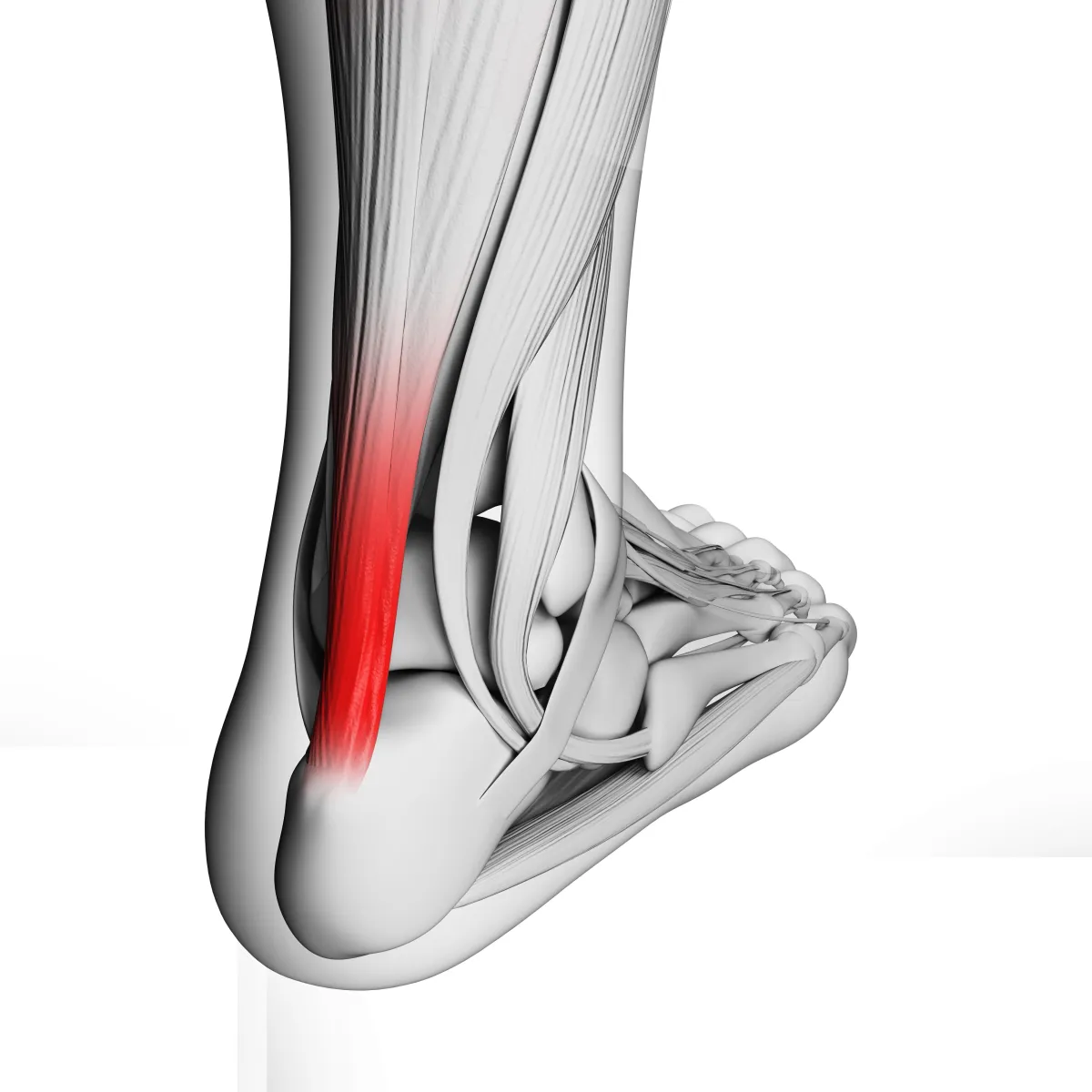
"How to Treat Tendonitis in the Foot and Ankle: Effective Methods and Home Care Tips"
Tendonitis in the foot and ankle can be a painful and limiting condition, making everyday activities challenging. This condition occurs when the tendons, which connect muscles to bones, become inflamed due to overuse, injury, or other factors. Understanding how to treat tendonitis effectively can help alleviate pain, promote healing, and prevent recurrence.
Signs and Symptoms:
Tendonitis in the foot and ankle typically presents with the following signs and symptoms:
Pain and tenderness along the affected tendon, often worsening with activity
Swelling and warmth in the area
Stiffness, especially in the morning or after periods of rest
A crackling or grating sensation when moving the tendon
Weakness in the affected foot or ankle
Common types of tendonitis in the foot and ankle include Achilles tendonitis, posterior tibial tendonitis, and peroneal tendonitis. Each type affects different tendons but shares similar symptoms and treatment approaches.
Causes:
Tendonitis in the foot and ankle can be caused by a variety of factors, including:
Overuse or repetitive stress from activities such as running, jumping, or walking
Sudden increase in physical activity or intensity
Improper footwear that lacks adequate support or cushioning
Poor biomechanics or alignment issues
Previous injuries or trauma to the foot or ankle
Understanding the underlying cause of tendonitis is crucial for effective treatment and prevention.
Effective Treatments:
Treating tendonitis in the foot and ankle involves a combination of professional interventions and home care remedies. Here are some effective methods to consider:
1. Professional Treatments:
Biomechanical Assessment:
A biomechanical assessment can identify any abnormalities in your gait or posture that may be contributing to tendonitis. A podiatrist or physiotherapist can evaluate your movement patterns and recommend corrective measures to reduce strain on the affected tendons.
Custom-Made Orthotics:
Custom orthotics can provide essential support and correct alignment issues in your feet and ankles. These specially designed inserts help distribute pressure evenly, reducing stress on the inflamed tendons and promoting healing.
Class IV Laser Therapy:
Class IV laser therapy uses high-intensity laser light to reduce inflammation and stimulate tissue repair at the cellular level. This non-invasive treatment can accelerate the healing process, alleviate pain, and improve overall tendon health.
Shockwave Therapy:
Shockwave therapy delivers high-energy sound waves to the affected area, stimulating blood flow and promoting the regeneration of healthy tendon tissue. This treatment is particularly effective for chronic cases of tendonitis that have not responded to other therapies.
Sports Massage:
Sports massage can help alleviate muscle tightness and improve circulation in the lower limbs. Regular massage sessions can reduce tension in the surrounding muscles, decreasing the strain on the affected tendons and enhancing recovery.
2. Home Care Treatments:
In addition to professional treatments, several home care remedies can help manage tendonitis in the foot and ankle:
Rest and Ice:
Resting the affected foot or ankle is crucial to prevent further irritation of the inflamed tendon. Applying ice packs for 15-20 minutes several times a day can help reduce swelling and numb the pain.
Compression and Elevation:
Using compression bandages can help control swelling, while elevating the affected foot or ankle above heart level can reduce inflammation and promote drainage of excess fluids.
Stretching and Strengthening Exercises:
Incorporating gentle stretching and strengthening exercises into your routine can improve flexibility and support tendon recovery. Focus on exercises that target the calf muscles, Achilles tendon, and the muscles along the sides of the foot and ankle.
Proper Footwear:
Wearing supportive shoes with adequate cushioning can help absorb shock and reduce stress on the tendons. Avoid wearing high heels or shoes with insufficient support, and consider replacing worn-out footwear to maintain proper alignment and comfort.
Anti-Inflammatory Medications:
Over-the-counter nonsteroidal anti-inflammatory drugs (NSAIDs) can help manage pain and reduce inflammation. However, it's important to use these medications as directed and consult a healthcare professional if you have any concerns.
Tendonitis in the foot and ankle can significantly impact your mobility and quality of life, but with the right treatment approach, you can find relief and promote healing. Combining professional treatments like biomechanical assessments, custom orthotics, class IV laser therapy, shockwave therapy, and sports massage with effective home care remedies can help manage symptoms and prevent recurrence.
If you're experiencing tendonitis in your foot or ankle and need professional advice, contact We Fix Feet for a comprehensive evaluation and personalised treatment plan. Book an appointment online or call us at 0115 9328832 to start your journey towards pain-free living and optimal foot health.
