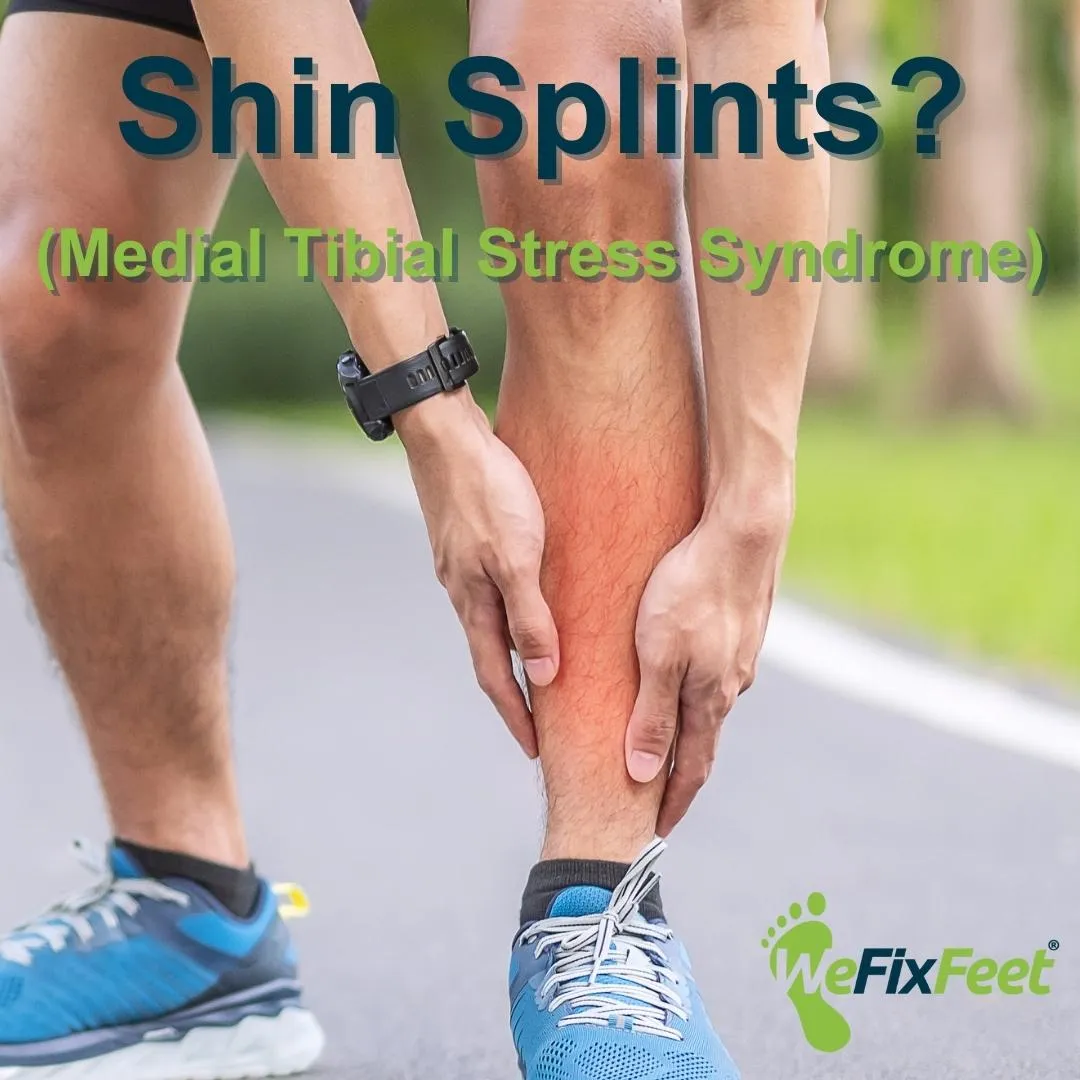
Shin Splints vs Stress Fractures: How to Tell the Difference
Not All Shin Pain Is the Same
You’re out for a run, feeling good, when a dull ache starts creeping up your lower legs. You push through, hoping it will ease up, but it only worsens. Sound familiar?
Shin pain is common among runners, gym-goers, and active individuals. But is it just shin splints, or could it be something more serious, like a stress fracture? The difference is crucial—misdiagnosing your pain could lead to long-term injury and months off your feet.
In this guide, we’ll break down the key differences between shin splints and stress fractures, how to identify the warning signs, and what you can do to prevent and treat them.
What Are Shin Splints?
Shin splints (medial tibial stress syndrome) occur when the muscles, tendons, and bone tissue around the shinbone (tibia) become inflamed due to repetitive stress.
Key Symptoms of Shin Splints:
✅ Dull, aching pain along the inside of the shin
✅ Pain that starts during or after exercise and improves with rest
✅ Soreness and tenderness when pressing on the shin
✅ Mild swelling in the lower leg
Common Causes of Shin Splints:
A sudden increase in running or training intensity
Running on hard surfaces
Poor foot biomechanics (e.g., overpronation)
Worn-out or unsupportive footwear
Who’s at Risk?
Shin splints are especially common in runners, dancers, and athletes who engage in high-impact activities. They’re often seen in those who do too much, too soon—such as new runners ramping up mileage quickly or individuals returning to exercise after a break.
What Is a Stress Fracture?
A stress fracture is a small crack in the bone caused by repetitive impact and overuse. Unlike shin splints, which affect the soft tissues, stress fractures are bone injuries.
Key Symptoms of a Stress Fracture:
🚨 Localised, sharp pain in a specific spot on the shin
🚨 Pain that worsens with activity and doesn’t go away with rest
🚨 Swelling and possible bruising around the painful area
🚨 Pain that persists even when walking or standing
Common Causes of Stress Fractures:
Repetitive high-impact activities (e.g., running, jumping)
Training on hard surfaces without proper recovery
Poor nutrition (low vitamin D and calcium)
Sudden changes in exercise intensity
Who’s at Risk?
Stress fractures are more common in long-distance runners, high-intensity athletes, and those with low bone density (e.g., people with osteoporosis or a history of poor nutrition).
How to Tell the Difference: Shin Splints vs Stress Fractures

A Simple At-Home Test:
Press along your shin—if the pain is spread out, it’s likely shin splints.
If the pain is in one specific spot and feels sharp when pressed, it may be a stress fracture—in this case, you should seek professional evaluation immediately.
Treatment and Recovery: What Should You Do?
For Shin Splints:
✅ Rest and modify activity—reduce impact exercises like running and switch to low-impact activities (cycling, swimming).
✅ Apply ice to reduce inflammation (15-20 minutes at a time, several times daily).
✅ Wear supportive footwear—ensure your shoes provide good shock absorption.
✅ Consider orthotics—custom insoles can help correct biomechanical issues.
✅ Stretch and strengthen—focus on calf stretches and exercises that support lower leg muscles.
💡 Recovery time: Most cases of shin splints improve within 2-6 weeks with proper care.
For Stress Fractures:
🚨 STOP high-impact activities immediately—continuing to train can cause a complete fracture.
🚨 Seek medical evaluation—stress fractures often require an X-ray or MRI for confirmation.
🚨 Use protective footwear—a walking boot or crutches may be needed for severe cases.
🚨 Prioritise nutrition—ensure you get enough calcium and vitamin D for bone healing.
🚨 Gradual return to activity—rehabilitation should be guided by a professional to prevent re-injury.
💡 Recovery time: Stress fractures take 6-12 weeks to heal, depending on severity. Rushing back to activity too soon can lead to further injury.
How to Prevent Shin Splints and Stress Fractures
🏃 Increase training gradually—avoid sudden jumps in mileage or intensity. 👟 Wear proper footwear—replace worn-out shoes and ensure they fit well. 🦶 Strengthen lower leg muscles—calf raises, toe taps and tibialis exercises help absorb impact. 🏋️♀️ Cross-train—mix in low-impact activities like cycling or swimming to reduce repetitive strain. 🥗 Maintain good nutrition—calcium, vitamin D, and protein support bone strength and muscle recovery.
Final Thoughts: Don’t Ignore Shin Pain
Shin splints and stress fractures can sideline training if ignored. While shin splints are manageable with rest and recovery, stress fractures require immediate attention to avoid long-term damage.
🚨 If your shin pain is sharp, persistent, and worsens with activity, don’t push through—seek professional evaluation today.
