Knee Pain After Running? Here's What Your Body Is Telling You
The Frustration of Runner’s Knee Pain
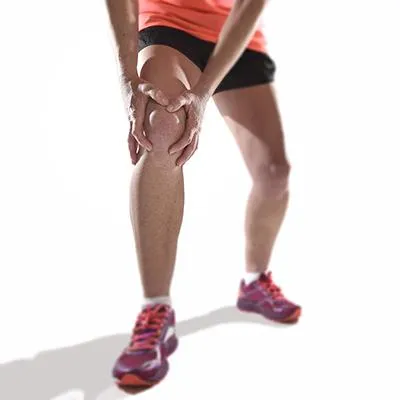
You’ve just finished a run, but you’re clutching your knee in discomfort instead of feeling accomplished. Knee pain after running is widespread, whether a dull ache, a sharp pain, or stiffness that lingers for days. But why does it happen, and more importantly, what can you do to fix it?
Knee pain isn’t something to ignore—your body is trying to tell you something. Let’s break down the most common causes of knee pain in runners, how to prevent it, and the best treatment options for long-term relief.
The Most Common Causes of Knee Pain in Runners
1. Runner’s Knee (Patellofemoral Pain Syndrome)
One of the most common culprits is runner’s knee, which occurs when the kneecap doesn’t track properly, irritating the cartilage beneath it.
Symptoms: ✅ Pain around or behind the kneecap, especially when running downhill or after sitting for long periods ✅ Clicking or grinding sensation in the knee ✅ Worsens with repetitive bending (stairs, squats, running)
Causes:
Weak quadriceps and hip muscles
Poor running form or overstriding
Tight hamstrings or iliotibial (IT) band
2. IT Band Syndrome
Your iliotibial (IT) band is a thick strip of connective tissue running outside your thigh. When it becomes tight or inflamed, it can cause outer knee pain.
Symptoms: ✅ Sharp pain outside the knee, usually after a few miles into a run ✅ Pain worsens when running downhill or on uneven surfaces ✅ Tenderness along the outer thigh.
Causes:
Weak glute muscles (glute medius)
Running on sloped or uneven surfaces
Poor footwear or biomechanics
3. Patellar Tendinitis (Jumper’s Knee)
Patellar tendinitis occurs when the tendon connecting your kneecap to your shinbone becomes inflamed, often due to overuse.
Symptoms: ✅ Pain just below the kneecap ✅ Stiffness or pain when starting a run, which improves as you warm up ✅ Pain with jumping, squatting, or climbing stairs
Causes:
Repetitive jumping or high-impact activities
Weak quadriceps muscles
A sudden increase in training intensity
4. Meniscus Injury
The meniscus is the cartilage that cushions the knee joint. A meniscus tear can occur from sudden twisting motions or long-term wear and tear.
Symptoms: ✅ Swelling and stiffness in the knee ✅ Pain when twisting or bending the knee ✅ A feeling of the knee locking or catching
Causes:
Poor shock absorption due to weak leg muscles
Sudden changes in direction while running
Previous knee injuries
5. Osteoarthritis and Degenerative Changes
Knee osteoarthritis can cause chronic pain and stiffness in older runners or those with a history of joint injuries.
Symptoms: ✅ Persistent knee pain, especially in the morning or after activity ✅ Swelling and stiffness ✅ A grinding sensation in the knee joint
Causes:
Wear and tear over time
Insufficient joint lubrication due to ageing
Muscle imbalances leading to excessive joint stress
How to Fix Knee Pain from Running
1. Strengthening and Rehab Exercises
Building strength in the right areas can correct muscle imbalances and reduce stress on the knee.
✅ Strengthen the quadriceps and hamstrings – Squats, lunges, and leg presses help absorb impact.
✅ Focus on glute activation – Weak glutes contribute to poor knee stability. Try clamshells and lateral leg raises.
✅ Work on balance and proprioception – Single-leg exercises improve control and reduce injury risk.
2. Improve Running Form
✅ Shorten your stride – Overstriding increases impact forces on the knee.
✅ Increase cadence – A higher step rate (170-180 steps per minute) reduces excessive loading.
✅ Land with a midfoot strike – Heel striking sends more force up the leg.
3. Stretching and Mobility Work
✅ Foam roll your IT band and quads – Helps release tension and improve knee alignment.
✅ Stretch the calves and hamstrings – Reduces excessive pulling on the knee joint.
✅ Use dynamic warm-ups before running – High knees, leg swings, and butt kicks prepare the body for movement.
4. Choose the Right Footwear and Orthotics
✅ Replace worn-out running shoes – Shoes lose support after 300-500 miles.
✅ Get a gait analysis – Overpronation or flat feet can increase knee strain.
✅ Use custom orthotics if needed – Correcting foot mechanics can improve knee alignment and reduce pain.
5. Modify Training to Reduce Knee Stress
✅ Avoid sudden mileage increases – Follow the 10% rule (increase weekly mileage gradually).
✅ Mix in low-impact cross-training – Swimming, cycling, and rowing reduce knee strain.
✅ Vary running surfaces – Softer terrain (grass, trails) reduces impact forces compared to pavement.
When to See a Professional
🚨 If knee pain persists for more than two weeks or you experience swelling, locking, or instability, it’s time to see a podiatrist or physiotherapist.
🚨 Red flags that require immediate attention:
Sharp, stabbing pain that worsens with movement
A feeling of the knee giving way
Swelling that doesn’t improve with rest and ice
Final Thoughts: Listen to Your Knees
Knee pain isn’t just an annoyance—it’s a warning sign. Ignoring it can lead to long-term injuries that keep you off the road for months.
You can prevent and manage knee pain by strengthening key muscle groups, improving running technique, and choosing the right footwear.
🚨 Don’t let knee pain sideline your training—take action today.
