How to Increase Running Performance Without Just “Running More”
If you want to run faster, longer, or stronger, most advice sounds the same.
Run more miles.
Add speed work.
Push harder.
Increase volume.
And for a while, that works.
Until it doesn’t.
You plateau.
You pick up a niggle.
Your knee starts complaining.
Your Achilles feels tight every morning.
Or your pace just stops improving.
Here is the reality serious runners often overlook:
Performance is rarely limited by effort.
It is limited by efficiency.
If you are already training consistently, the next step is not to add more volume. It is smarter mechanics, smarter load, and smarter recovery.
Let’s break down what actually improves running performance.
1. Running Efficiency Beats Raw Mileage
Running performance is not just cardiovascular fitness.
It is how efficiently you convert energy into forward motion.
Two runners can have the same VO2 max.
One will be faster simply because they waste less energy.
Efficiency is influenced by:
Ground contact time
Stride length vs cadence balance
Pelvic control
Foot strike mechanics
Joint loading symmetry
Elastic return through the Achilles complex
If one side is working harder than the other, you leak energy.
If your foot collapses excessively, you lose force transfer.
If your hip is unstable, your knee absorbs stress inefficiently.
Most runners never have this assessed properly.
They guess.
2. Biomechanics: The Hidden Performance Multiplier
At We Fix Feet, we assess biomechanics clinically, not visually guessing from the side of a treadmill.
We analyse:
Dynamic alignment
Load transfer
Muscle function
Neuromuscular control
Force absorption patterns
Small adjustments in load distribution can produce measurable improvements in:
Cadence
Comfort
Stride economy
Injury resilience
The goal is not to “change your style.”
The goal is to optimise how your body handles force.
Performance improves when wasted movement decreases.
3. Strength Is Not Just About Lifting Heavier
Many runners strength train.
Few strength train specifically for running economy.
Running is controlled single-leg load management.
That means:
Hip stability matters more than quad size
Ankle stiffness affects propulsion
Glute activation affects knee tracking
Core control influences cadence efficiency
Generic gym programs are rarely aligned with running mechanics.
A structured performance plan should target:
Single-leg control
Elastic tendon strength
Rotational stability
Load tolerance under fatigue
That is where performance jumps happen.
4. Load Management Is Performance Management
Most performance plateaus happen because the load is poorly progressed.
Not because you lack fitness.
If you increase:
Distance
Intensity
Frequency
Or terrain challenge
Without structured adaptation, you create micro overload.
That often leads to:
Tendon irritation
Joint stress
Reduced power output
Subtle gait changes
Increased fatigue
Smart performance planning looks at the total weekly load and distributes it properly.
The aim is not to avoid stress.
It is to apply stress progressively.
5. Microgravity Training: The Advantage Most Runners Don’t Use
Here is where performance acceleration becomes interesting.
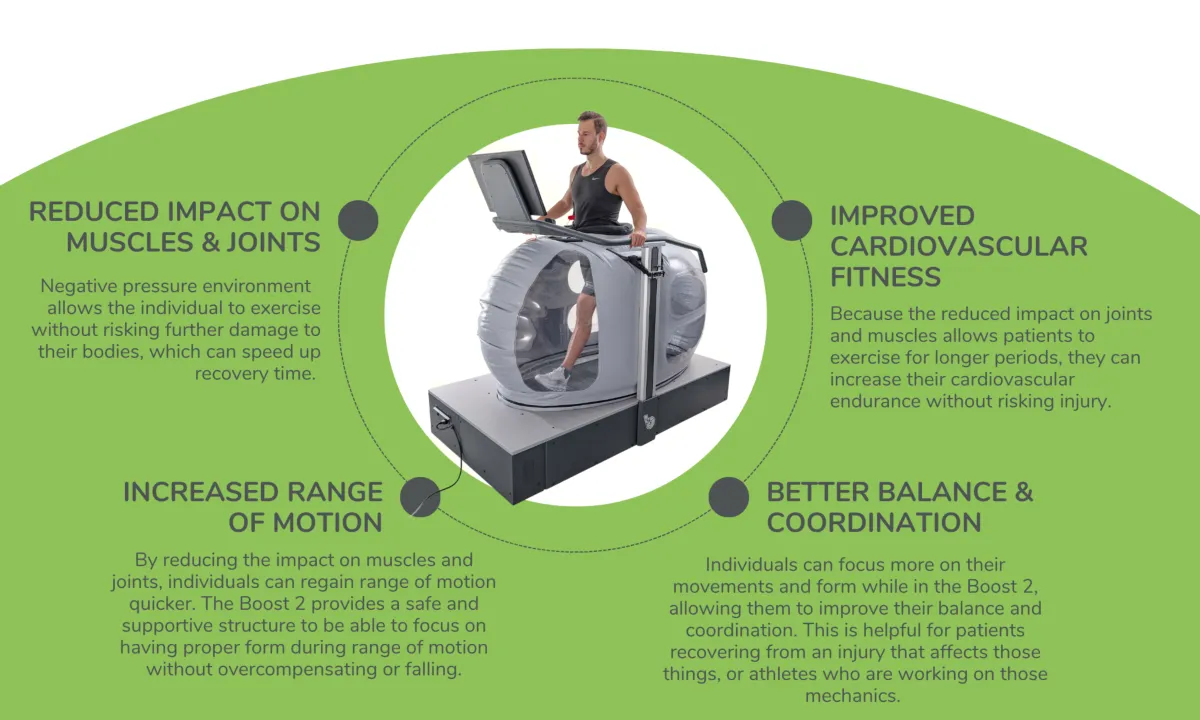
The Microgravity treadmill allows you to run at reduced bodyweight while maintaining normal mechanics.
This means:
You can increase cadence work without joint overload
You can refine stride efficiency at lower impact
You can rebuild speed after an injury safely
You can maintain conditioning during minor flare-ups
Elite sport uses this technology for controlled load progression.
We are currently the only podiatry and sports therapist-led clinic in Nottingham offering it.
For performance-driven runners, this provides:
Reduced impact stress
Higher volume tolerance
Faster return from setbacks
Safer speed reintroduction
It is not about taking it easy.
It is about controlled intensity.
6. Injury Prevention Is Performance Enhancement
Most runners separate injury prevention and performance.
They should not.
The runner who manages load best performs best long term.
Performance is consistency over months and years.
Not one big training block.
If you eliminate:
Repeated niggles
Stop-start cycles
Forced rest periods
You compound performance.
This is where structured assessment matters.
Not just coaching.
Clinical performance oversight.
7. What Performance Testing Really Tells You
When we conduct performance assessments, we look at:
Asymmetry
Load tolerance
Efficiency markers
Fatigue response
Joint control under speed
You leave knowing:
Where are you leaking energy
Where are you vulnerable
Where can you gain speed safely
What progression timeline makes sense
That clarity prevents wasted training blocks.
8. Why “Just Running More” Eventually Fails
If mileage alone solved performance, every high-mileage runner would be elite.
They are not.
Because performance is mechanical as much as metabolic.
When inefficiency builds:
Force transfer reduces
Cadence drops
Impact stress rises
Recovery time increases
Eventually, something breaks.
The smarter approach is precision.
9. What Increasing Performance Actually Looks Like
For a serious runner, structured performance improvement includes:
Biomechanical assessment
Running gait analysis
Strength progression plan
Microgravity integration when appropriate
Load monitoring
Recovery management
It is systematic.
Not reactive.
10. Who This Is For
This is not for casual joggers.
It is for runners who:
Already train consistently
Want measurable improvement
Are plateauing
Want fewer setbacks
Value structured progression
Want clinical oversight
If that sounds like you, performance is no longer about effort.
It is about precision.
The Bottom Line
Running performance improves when:
Efficiency improves
The load is controlled
Strength is specific
Progression is structured
Recovery is intelligent
If you want to run faster without just running more, start by understanding how your body is handling load right now.
A structured Running Performance Assessment is the most logical next step.
Because performance is engineered.
Not guessed.
