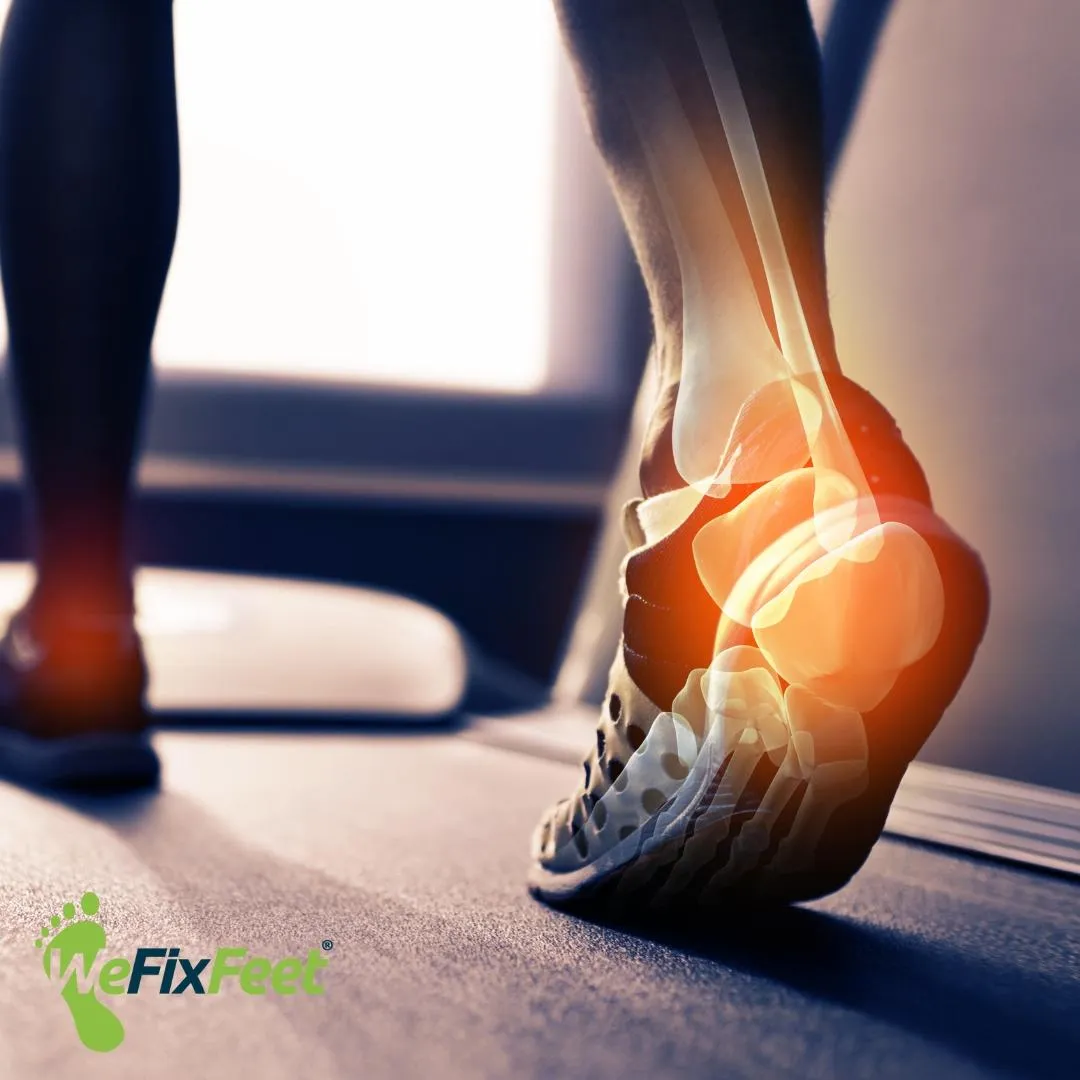
How Long Should Foot & Heel Pain Take to Heal?
If you’re dealing with foot or heel pain, one of the first things you probably ask is:
“How long should this actually take to heal?”
It’s a sensible question, especially if you’re trying to balance recovery with running, gym training, football, padel, or just staying active.
The frustrating answer is:
It depends.
But the helpful answer is understanding what it depends on, and why some people recover quickly while others struggle for months.
Let’s break it down clearly.
Why Foot & Heel Pain Doesn’t Have a Fixed Timeline
Foot and heel pain isn’t a single condition.
It can involve:
Plantar fascia
Achilles tendon
Calf muscles
Nerves
Joint irritation
Load-related stress reactions
Each of these tissues heals at different rates and responds differently to rest, movement, and loading.
That’s why comparing your recovery to someone else’s rarely helps.
Typical Healing Timeframes (General Guidance)
While everyone is different, these rough timelines often help set expectations:
Mild overload or strain:
2–4 weeks with appropriate load managementPersistent or recurring pain:
6–12 weeks if the underlying cause is addressedLong-standing or repeatedly flaring pain:
Several months if movement patterns and loading aren’t corrected
The key phrase here is “if the underlying cause is addressed.”
Without that, pain often settles, then returns.
Why Heel Pain Often “Improves… Then Comes Back”
This is one of the most common patterns we see.
People rest.
Pain reduces.
They return to activity.
Pain returns.
That’s because:
Rest calms irritated tissue
But doesn’t change how force moves through the foot
So when the load increases again, the same tissue is stressed
This is especially common after:
Christmas breaks
Illness or busy work periods
Reduced training followed by a sudden return
Healing stalls when the cause isn’t identified.
What Actually Slows Healing Down?
Several factors commonly delay recovery:
Continuing to train through pain
Repeated stop–start activity
Ignoring early warning signs
Relying on footwear changes alone
Stretching without addressing load
But one of the most significant factors is a lack of understanding of biomechanics.
If your foot is repeatedly overloaded in the same way, tissues don’t get the chance to recover correctly.
Why Biomechanics Matters More Than Time Alone
A biomechanical assessment looks at:
How your foot loads the ground
How force travels up the leg
Where stress is concentrated
How efficiently you move during activity
This matters because healing isn’t just about time; it’s about reducing unnecessary strain while tissues recover.
For active people, this is often the difference between:
Ongoing flare-ups
Or steady, reliable improvement
Early Intervention vs “Waiting It Out”
Many people delay assessment because pain is:
Bearable
Inconsistent
“Not that bad yet”
But pain often becomes more complex the longer it’s left:
Movement compensations develop
Other areas start to ache
Recovery takes longer than it needed to
Early assessment doesn’t mean more treatment; it often means less disruption.
So… How Long Should It Take?
A better question than “How long should it take?” is:
“Is my foot actually being allowed to heal properly?”
When load, movement, and recovery are managed well:
Many people improve steadily within weeks
Recurrence becomes far less likely
Confidence in activity returns
When they aren’t:
Pain lingers
Training becomes inconsistent
Frustration builds
What a Clear Plan Looks Like
For most people, recovery involves:
Understanding why the pain started
Reducing unnecessary strain
Supporting movement where needed
Gradually rebuilding load tolerance
Once pain is under control, longer-term strategies such as our Move & Improve VIP programmes help maintain progress and prevent repeat episodes.
But clarity always comes first.
Not Sure If Your Foot or Heel Pain Is Healing Properly?
If pain has lingered, returned, or is affecting your ability to run, train, or stay active, a Biomechanical Assessment can help you understand what’s really going on and what to do next.
👉 Book a Biomechanical Assessment
From there, we can advise whether further treatment or longer-term support is appropriate for you.
