Are Fungal Infections of the Feet Common? Understanding Risks and Prevention
You’re Not Alone - Foot Fungi Are Everywhere
If you’ve ever had itchy, peeling skin between your toes, or spotted a discoloured toenail that just won’t grow right, you’re not alone. Fungal infections of the feet are incredibly common—and often misunderstood.
From athlete’s foot to fungal toenails, these conditions thrive in warm, moist environments like trainers, changing rooms, and sweaty socks. But with a bit of knowledge and simple prevention strategies, you can dramatically reduce your risk.
In this blog, we’ll explore just how widespread foot fungal infections are, what puts you at risk, and what you can do to keep your feet clear and comfortable.
How Common Are Fungal Foot Infections?
Very. Research suggests:
Around 15–25% of people are affected by athlete’s foot at any one time
Up to 1 in 10 people in the UK will experience a fungal nail infection
Rates increase in athletes, older adults, and those with diabetes or reduced immunity
They’re also more likely in summer due to heat and humidity—and can spread quickly in communal spaces.
The Most Common Types of Fungal Foot Infections
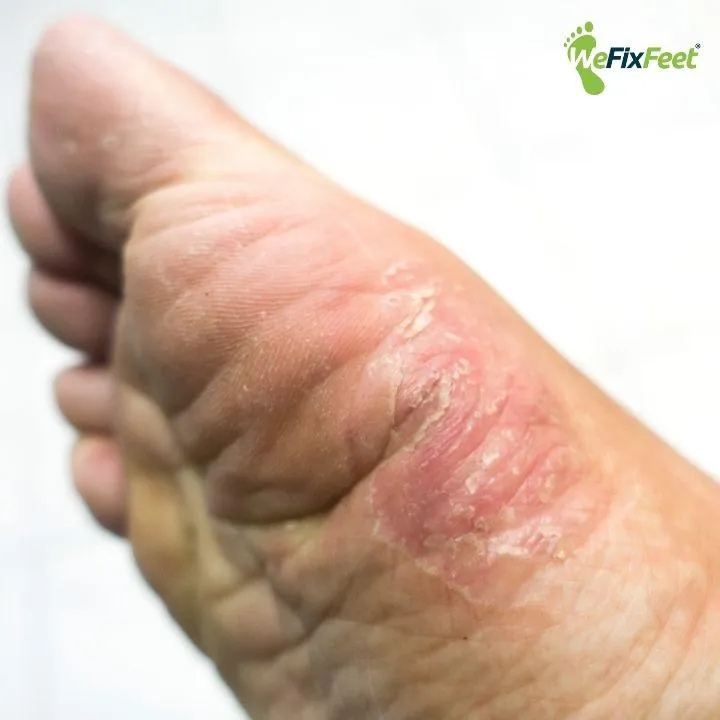
1. Athlete’s Foot (Tinea Pedis)
Appears between the toes or on the soles
Itchy, scaly, cracked or peeling skin
May cause redness, burning, or a mild odour
2. Fungal Nail Infections (Onychomycosis)
Causes thick, discoloured, brittle nails
Often starts with a white or yellow spot under the nail tip
May spread to other nails or become painful if untreated
Both can start subtly and worsen over time if not treated properly.
What Makes You More Susceptible?
Fungal infections love damp, enclosed, and shared environments. You're at greater risk if you:
Wear tight or non-breathable footwear daily
Sweat excessively (hyperhidrosis)
Share changing rooms, pools, or sports equipment
Walk barefoot in public areas
Have minor skin damage or reduced immunity
Diabetics and those with poor foot circulation need to be especially careful.
Prevention: Simple Habits That Work
Keep Your Feet Clean and Dry
Wash daily, dry thoroughly—especially between the toes
Don’t reuse damp socks or shoes
Wear Breathable Footwear
Use mesh or leather over plastic or synthetic shoes
Alternate footwear to let each pair dry out
Use Shower Shoes in Shared Spaces
Pools, gyms, and hotel bathrooms are hotspots
Change Socks Regularly
Opt for cotton or moisture-wicking materials
Always change after exercise
Disinfect Nail Tools and Don’t Share
Avoid using communal nail clippers or salon tools without proper cleaning
Early Detection Is Key
Fungal infections don’t often go away on their own. If caught early, they’re much easier to treat with:
Antifungal creams or sprays
Prescription treatments for more stubborn cases
Class IV laser therapy (non-invasive and increasingly popular)
If you notice persistent itching, skin changes, or nail discolouration—see a professional.
Why They Keep Coming Back
Recurring infections often result from:
Not treating shoes or socks (fungus lingers in fabric)
Incomplete treatment courses
Reinfection from shared environments or other areas of the foot
To fully treat the problem, you must treat your environment too.
Final Thoughts: Stay One Step Ahead
Yes—fungal foot infections are common, but they’re also preventable.
Understanding the risks and taking a few daily precautions can make a big difference. From breathable shoes to early intervention, it’s all about awareness and routine care.
And remember: if you’re unsure whether that itch is something serious—it’s worth checking.
👣 Need help diagnosing or treating a fungal foot problem? Speak with our experts at www.wefixfeet.co.uk or call 0115 9328832.
