Do I Need a Biomechanical Assessment or Just Rest?
If you’ve picked up foot, ankle, or lower-limb pain after running, gym training, or returning to sport, you’ve probably asked yourself this question:
“Do I just need a bit of rest… or do I actually need a biomechanical assessment?”
It’s a fair question, and one we hear every week.
The problem is that rest and assessment don’t do the same job. Understanding the difference can save you months of frustration, repeated flare-ups, and stop–start training.
Let’s break it down properly.
When Rest Is the Right Answer
Rest has a role.
If pain is:
Sudden
Clearly linked to a single spike in activity
Improving steadily with reduced load
Then, short-term rest can help calm irritated tissues.
This is often the case with:
Mild muscle fatigue
Temporary overload after an unusually hard session
Minor soreness that resolves within days
In these situations, rest acts like a reset button.
But here’s the key point most people miss:
👉 Rest doesn’t change how you move.
And that’s where problems start.
Why Pain Often Comes Back After “Doing the Right Thing”
Many people rest properly.
They wait.
The pain settles.
Then they return to:
Running
Gym sessions
Football
Padel
Cross-training
And the pain comes back.
Not always immediately, but often within weeks.
This happens because:
The underlying movement pattern hasn’t changed
The load is still passing through the same tissues
The original stress point is still there
So while rest reduces symptoms, it rarely addresses the reason the pain started.
The Difference Between Pain Relief and Problem Solving
This is where much of the confusion lies.
Rest = symptom control
Biomechanical assessment = cause identification
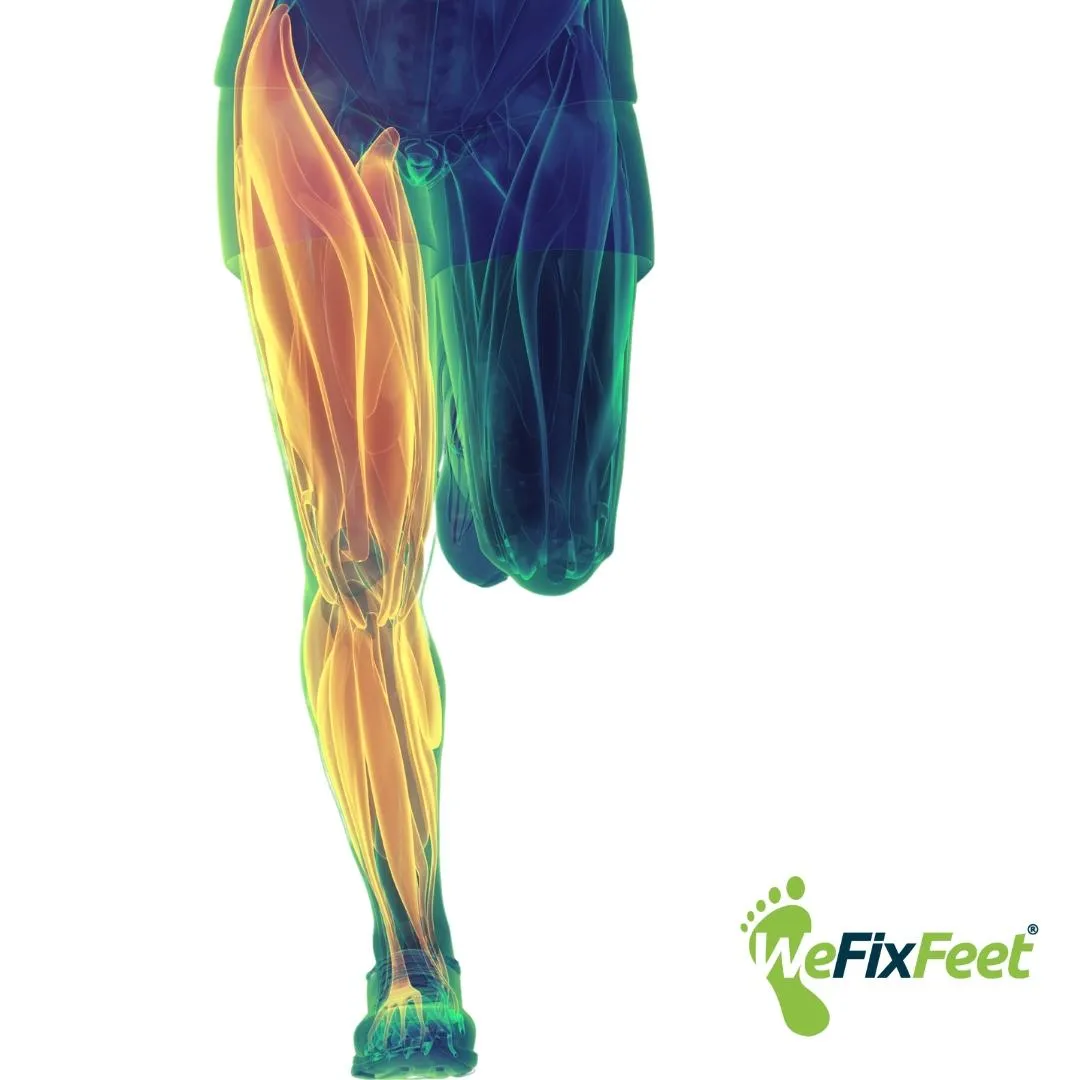
A biomechanical assessment looks at:
How your foot loads the ground
How force travels through your ankle, knee, and hip
How efficiently your body absorbs impact
Where unnecessary strain is building up
It’s not just about the foot, it’s about the system.
For active people, this matters far more than resting alone.
Signs You Probably Need a Biomechanical Assessment (Not More Rest)
You should consider an assessment if:
Pain keeps returning when training resumes
You’ve rested properly, but haven’t improved long-term
The pain moves around (foot → ankle → calf → knee)
You’ve changed shoes repeatedly with no clear improvement
You’re modifying training just to cope
These are signs that your body is compensating — not healing.
Post-Christmas & Post-Break Pain: A Common Trap
We see this pattern every January, February, and after summer breaks.
People:
Reduce activity
Lose a bit of conditioning
Return to training motivated
Push through early warning signs
This creates a perfect storm:
Lower tolerance to load
Higher enthusiasm
Old movement habits are still present
A biomechanical assessment at this stage can:
Reduce injury risk
Improve efficiency
Prevent minor issues from becoming long-term problems
Waiting it out rarely does.
Why “Seeing How It Goes” Is Risky
One of the most common phrases we hear is:
“I thought I’d just see how it goes.”
The issue is:
Pain subtly alters how you move
Altered movement increases stress elsewhere
Compensation patterns build quietly
By the time pain forces action, it’s often:
More complex
Affecting multiple areas
Slowing recovery
Early clarity usually means less treatment, not more.
What a Biomechanical Assessment Actually Gives You
A proper biomechanical assessment provides:
Clear explanation of why the pain is occurring
Insight into movement efficiency
A plan to reduce unnecessary strain
Guidance on load management and progression
For runners, gym-goers, and field sport athletes, this is often the difference between:
Repeated stop–start training
Consistent, confident activity
It’s not about labelling you as “broken”, it’s about understanding how your body works.
Where Rest Fits In (The Balanced View)
This isn’t rest versus assessment.
The best outcomes usually involve:
Short-term symptom reduction (which may include rest)
Combined with understanding biomechanics
Followed by appropriate support and progression
That’s how you reduce pain and prevent recurrence.
The Smarter Question to Ask
Instead of:
“Do I need rest or an assessment?”
A better question is:
“Do I want this to keep coming back?”
If the answer is no, then understanding your movement is usually the smarter starting point.
Unsure Which One You Need? Start With Clarity
If foot or lower-limb pain is limiting your running, gym training, football, or padel — a Biomechanical Assessment helps you make informed decisions, rather than guessing.
👉 Book a Biomechanical Assessment
Once pain is under control, we can then advise whether longer-term support through our Move & Improve VIP programmes is appropriate.
